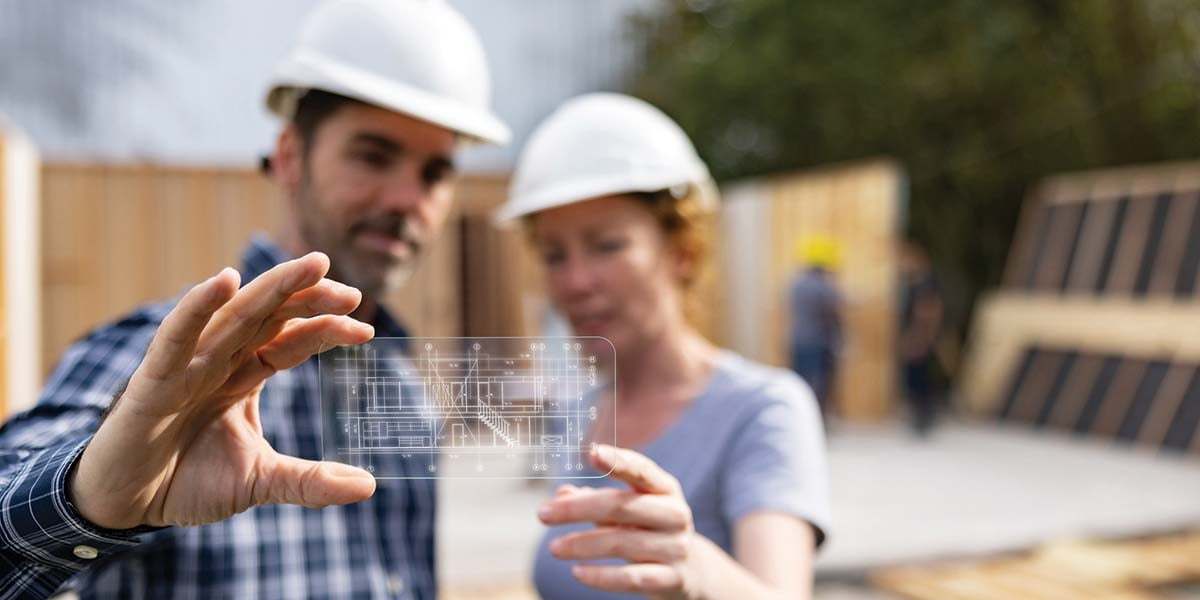
Workplace structures have shifted into configurations that no longer depend on a single physical environment or fixed schedule. Organizations now operate across distributed systems where employees move fluidly between office spaces, home setups, and mobile environments. This transformation has pushed technology to evolve in ways that support continuity across fragmented work conditions.
What stands out in my observation is how quickly hybrid work moved from an emergency response model into a permanent operational framework. The tools that support it have expanded beyond video conferencing and basic collaboration platforms into deeply integrated ecosystems. The Future Of Hybrid Work Technology reflects this evolution, where connectivity, intelligence, and adaptability define how work is structured and executed.
Distributed Collaboration Systems Redefining Team Interaction
Collaboration tools have become far more sophisticated as organizations attempt to bridge the gap between physical and remote work environments. These systems now integrate messaging, project tracking, document sharing, and real time communication into unified platforms. The goal is no longer just communication but seamless coordination across distributed teams.
In my experience observing workplace adoption trends, the most significant change is how naturally employees now move between synchronous and asynchronous collaboration. Meetings are no longer the default mode of interaction, and many decisions are made through shared digital workspaces that persist over time. This shift has reduced dependency on real time availability and improved flexibility across global teams.
The Future Of Hybrid Work Technology is strongly shaped by this transition toward persistent collaboration environments. Work is no longer tied to specific moments or locations but exists continuously across platforms that maintain context and history. This has fundamentally changed how teams coordinate and execute tasks across distributed environments.
AI Integration Enhancing Productivity And Workflow Automation
Artificial intelligence has become deeply embedded into hybrid work systems, supporting tasks such as scheduling, summarization, content generation, and workflow optimization. These tools are no longer separate applications but integrated features within collaboration platforms. This integration has reduced manual overhead and improved operational efficiency across teams.
I have observed that AI driven productivity tools significantly reduce the time spent on administrative tasks that previously consumed large portions of the workday. Meeting summaries, action item extraction, and automated documentation allow employees to focus more on strategic work. This shift has improved both speed and clarity in workplace communication.
The Future Of Hybrid Work Technology increasingly depends on how effectively AI systems can augment human productivity without disrupting workflow continuity. These systems are becoming invisible infrastructure that supports decision making and execution. Their presence is reshaping expectations around what efficient work processes should look like.
Cloud Infrastructure Supporting Seamless Work Continuity
Cloud computing has become the backbone of hybrid work environments, enabling access to applications and data from any location. This infrastructure ensures that employees can transition between devices and environments without losing access to critical resources. It has made work continuity a core expectation rather than a technical advantage.
In my experience analyzing enterprise systems, cloud adoption has eliminated many of the constraints that once limited remote collaboration. File storage, application access, and system integration are now centralized in scalable environments that support global access. This has made hybrid work more stable and reliable across organizations of all sizes.
The Future Of Hybrid Work Technology is closely tied to the continued evolution of cloud infrastructure. As systems become more distributed, cloud platforms provide the foundation that keeps workflows synchronized and accessible. This reliability has made cloud technology indispensable for hybrid work models.
Security Systems Adapting To Distributed Workforces
Security challenges have increased significantly as employees access systems from multiple locations and devices. Traditional perimeter based security models are no longer sufficient in environments where work is decentralized. This has led to the adoption of identity centric and behavior based security systems.
In my observation of enterprise security strategies, organizations are increasingly implementing continuous authentication and access monitoring systems. These tools evaluate user behavior in real time to detect anomalies and prevent unauthorized access. This approach ensures that security remains adaptive rather than static.
The Future Of Hybrid Work Technology is closely linked to the evolution of security frameworks that can operate across distributed environments. Protecting data and systems in a hybrid model requires constant verification and dynamic access control. This shift has redefined how organizations think about trust and security in digital workplaces.
Virtual And Augmented Reality In Workplace Environments
Immersive technologies such as virtual and augmented reality are beginning to play a role in hybrid work environments. These tools offer new ways for teams to interact in shared digital spaces that replicate physical presence. This has the potential to reshape meetings, training sessions, and collaborative design work.
I have seen early adoption of immersive environments in industries that rely heavily on visualization and spatial interaction. These systems allow users to manipulate digital objects and environments in ways that traditional screens cannot replicate. This enhances engagement and improves understanding of complex concepts.
The Future Of Hybrid Work Technology may increasingly incorporate immersive experiences as hardware becomes more accessible. While still emerging, these technologies offer a glimpse into how remote collaboration could evolve beyond traditional video interfaces. This represents a significant shift in how presence and interaction are defined in digital workspaces.
Employee Experience Platforms Improving Engagement And Retention
Employee experience has become a key focus as organizations adapt to hybrid work models. Platforms designed to track engagement, support communication, and enhance workplace satisfaction are becoming more widely adopted. These systems aim to create a more cohesive experience across distributed teams.
In my experience reviewing workplace systems, organizations that prioritize employee experience often see improved retention and productivity. Tools that provide feedback loops, recognition systems, and personalized dashboards help employees feel more connected to their work. This has become increasingly important in hybrid environments where physical interaction is limited.
The Future Of Hybrid Work Technology reflects this growing emphasis on employee experience as a strategic priority. Technology is no longer only about productivity but also about engagement and satisfaction. This broader focus is reshaping how organizations design their digital workplaces.
Data Driven Workplace Optimization And Analytics
Workplace analytics have become a critical component of hybrid work systems, providing insights into productivity, collaboration patterns, and resource usage. These tools help organizations understand how work is being performed across distributed environments. This enables more informed decision making around workflows and team structures.
I have observed that data driven insights often reveal inefficiencies that are not visible through traditional management approaches. Patterns of communication, task completion, and resource allocation can highlight opportunities for optimization. This allows organizations to refine their hybrid work strategies over time.
The Future Of Hybrid Work Technology is increasingly shaped by the use of analytics to guide workplace design. Data is becoming a central factor in how organizations structure teams and workflows. This continuous feedback loop is improving both efficiency and adaptability.
Flexibility In Work Scheduling And Time Management Systems
Hybrid work has introduced greater flexibility in how employees manage their schedules and allocate time. Time tracking and scheduling tools are evolving to support asynchronous workflows rather than rigid working hours. This allows employees to work in ways that align with their personal productivity patterns.
In my experience observing workplace trends, flexible scheduling often leads to higher satisfaction and improved output quality. Employees are able to focus during periods of peak productivity rather than conforming to fixed schedules. This shift has redefined how time is valued in professional environments.
The Future Of Hybrid Work Technology continues to emphasize flexibility as a core principle. Systems that support dynamic scheduling and workload distribution are becoming essential for managing distributed teams. This flexibility is now seen as a competitive advantage in talent retention.
Final Reflection On The Evolution Of Hybrid Work Systems
Hybrid work has evolved into a complex ecosystem supported by a wide range of technologies that enable communication, collaboration, and productivity across distributed environments. What began as a temporary adjustment has become a defining structure for modern organizations. Technology continues to play a central role in shaping how this model functions and evolves.
The Future Of Hybrid Work Technology points toward increasingly integrated systems where AI, cloud infrastructure, and immersive tools work together to support seamless work experiences. As these technologies mature, hybrid work is likely to become even more flexible, adaptive, and deeply embedded in organizational culture.
